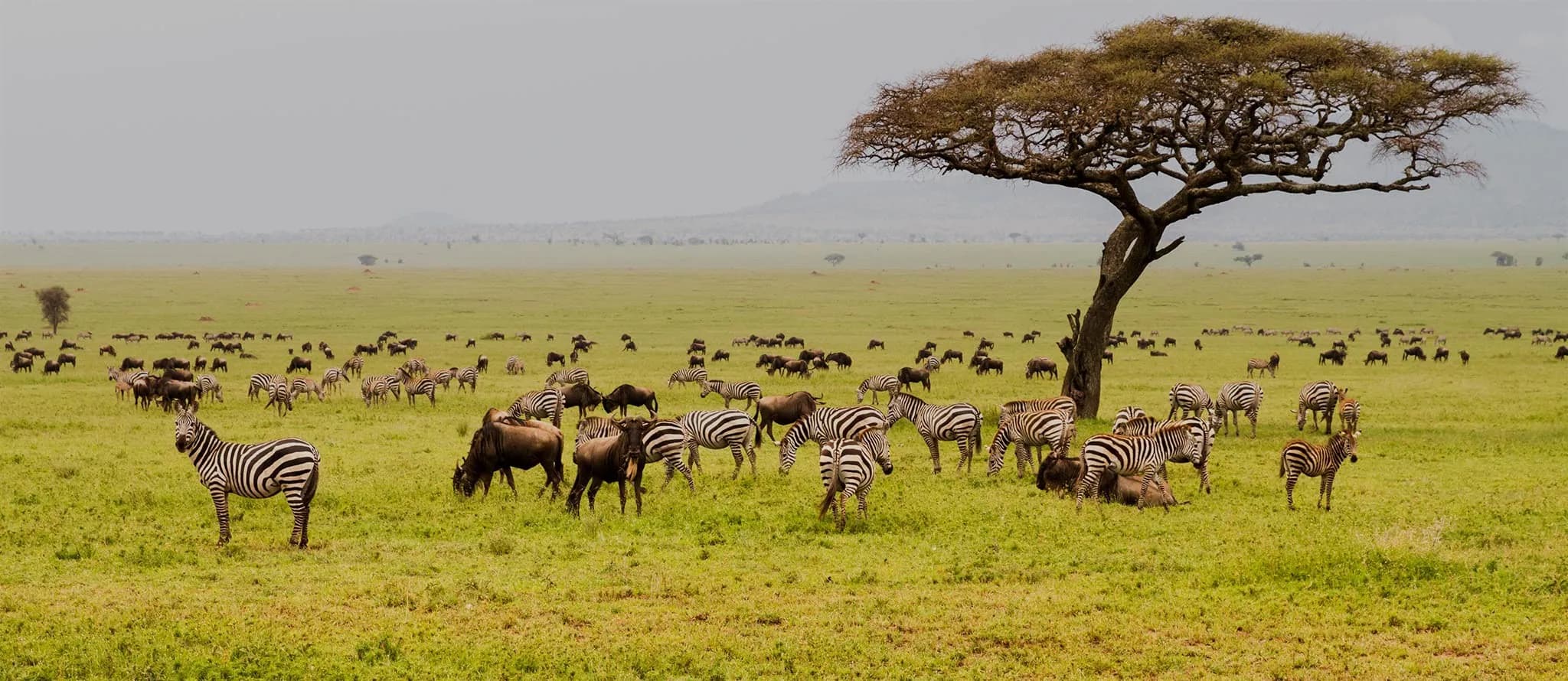
The Maasai Mara in Kenya and the Serengeti in Tanzania are not rivals so much as two parts of the same ecosystem. The wildebeest migration moves between them, and there is no fence at the border. The differences are in scale, access and how you experience them.
Size and feel
The Serengeti is far larger — roughly ten times the size of the Maasai Mara reserve — with long distances between regions. The Mara is compact, which means more wildlife per square kilometre on a short stay, but also more vehicles at popular sightings, especially in peak season.
Getting there
The Mara is about five to six hours by road from Nairobi, or a short flight. The Serengeti is usually reached from Arusha, five to seven hours by road via the Ngorongoro highlands, or by light aircraft. A Serengeti safari normally includes Tarangire and the Ngorongoro Crater on the way.
The migration
- December to March: the herds are usually on the southern Serengeti plains around Ndutu, where calving takes place.
- April to June: moving through the central and western Serengeti.
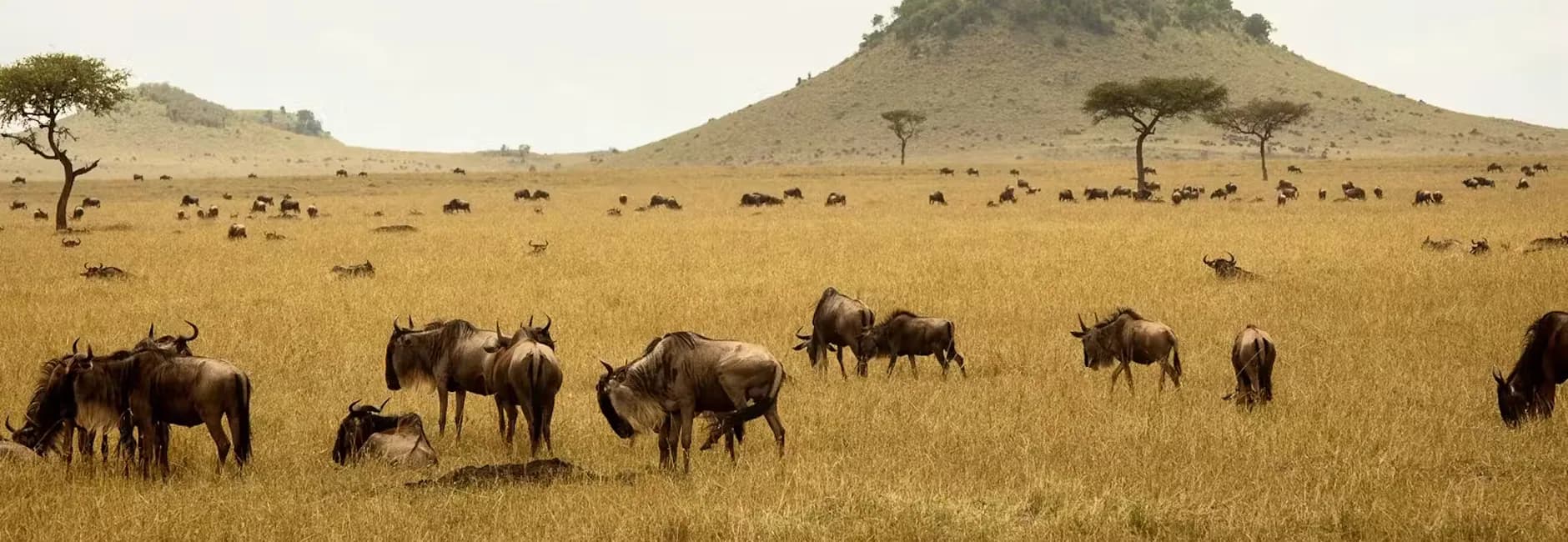
- July to October: in the northern Serengeti and the Maasai Mara, with river crossings on the Mara River.
If you want the migration in the Mara, travel between about July and October. At other times, the Serengeti gives you the better chance of being close to the herds.
Cost
Road safaris to the Mara from Nairobi are typically the most affordable way into the ecosystem — our 2 Days Maasai Mara Budget Safari starts from USD 350 per person. Tanzania's park and conservation fees are generally higher, which is reflected in northern circuit prices such as our 4 Days Tarangire, Ngorongoro, Serengeti & Lake Manyara Budget Safari at USD 830 per person.
Can I do both?
Yes. Our Kenya & Tanzania itineraries cross either at Isebania (Mara to western Serengeti) or at Namanga (Amboseli to Arusha). A week or more lets you see the Mara, the Serengeti and the Ngorongoro Crater without rushing.