There is no bad month for a Kenya safari, but the seasons change what you see, how the parks feel and what you pay. Kenya sits on the equator, so temperatures vary more with altitude than with the calendar. What changes through the year is rain.
The dry seasons: late June to October, and January to February
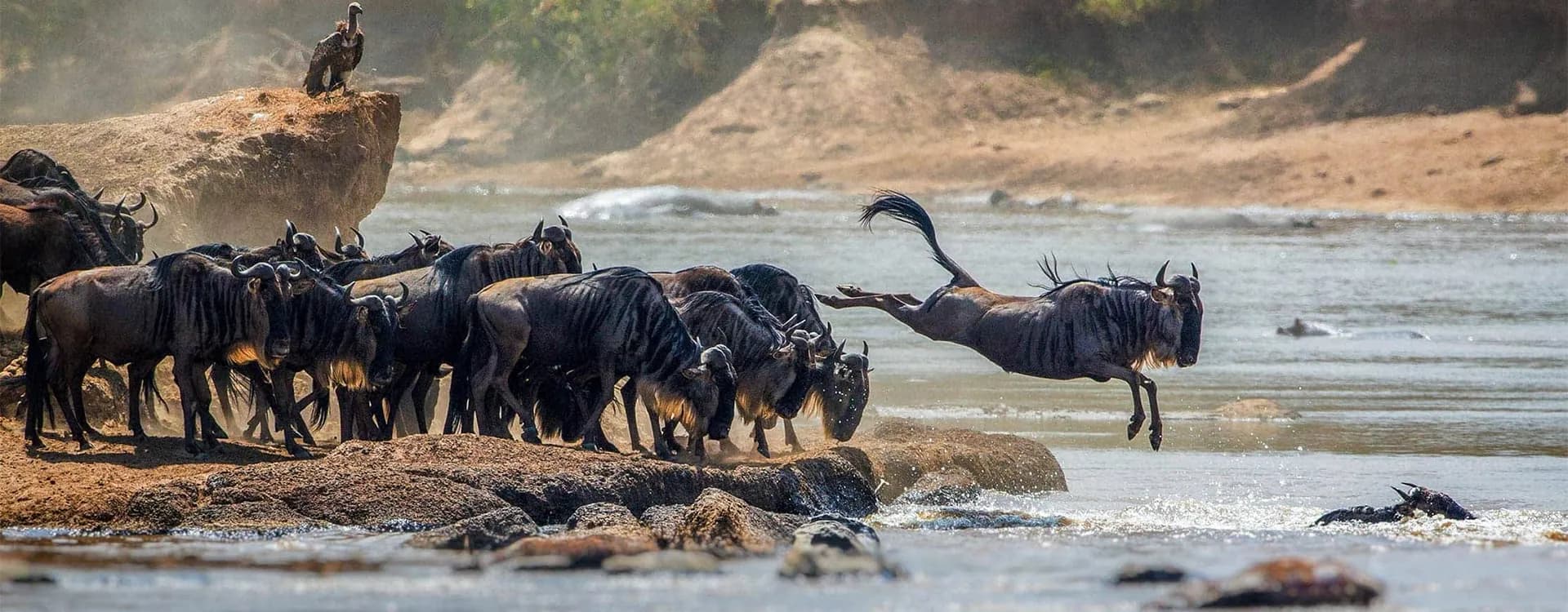
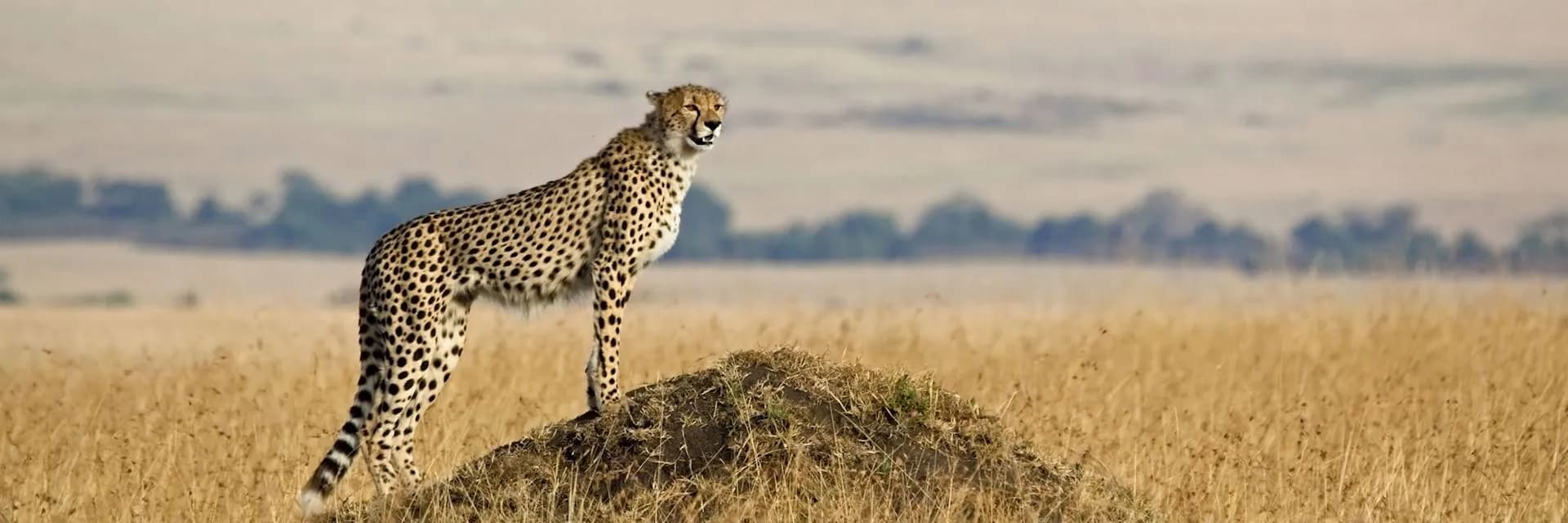
The long dry season, from about late June to October, is the classic safari period. Grass is shorter, wildlife gathers around water and animals are easier to find. In the Maasai Mara it coincides with the arrival of the wildebeest migration from Tanzania, usually from around July. It is also the busiest and most expensive time, so book lodges early.
January and February are a shorter dry spell with warm days, good game viewing and fewer visitors than August.
The long rains: roughly April to May
The long rains bring heavy afternoon storms and green landscapes. Some roads become muddy and a few camps close, but prices fall and the parks are quiet. Birdlife is excellent, and many animals give birth around this time.
The short rains: roughly November to early December
Short, often intense showers, usually in the afternoon or overnight. Safaris run normally, and it can be a good-value time to travel.
Month-by-month summary
- January–February: dry, warm, good all-round game viewing.
- March: getting hotter; rains may start late in the month.
- April–May: long rains; green, quiet, lower prices.
- June: drying out; good value before peak season.
- July–October: peak dry season; migration herds usually in the Maasai Mara.
- November–early December: short rains; quieter parks.
- Late December: busy holiday period; book early.
Choosing your dates
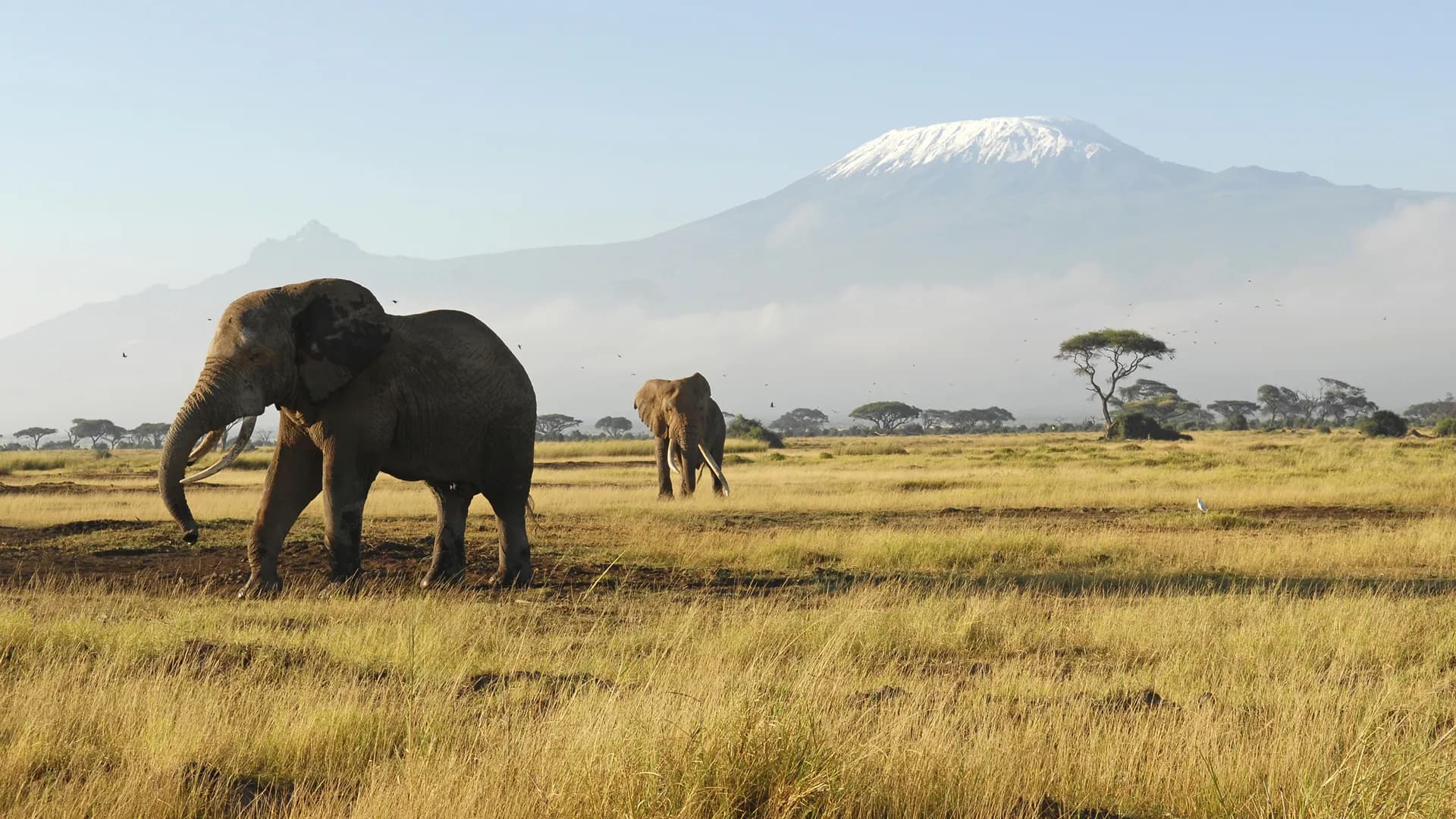
If the migration is your priority, aim for August or September in the Maasai Mara, remembering that river crossings are never guaranteed. For a quieter safari with good wildlife and lower prices, look at January–February or June. If you are also climbing Mount Kenya or Kilimanjaro, avoid the heaviest rains.
Weather patterns vary from year to year. Tell us your dates and we will advise what to expect on the ground.